Frequently Asked Questions
Mutual Funds
What are mutual funds?
Mutual funds pool money from multiple investors and invest it across equity, debt, or hybrid instruments.
What is SIP?
SIP allows you to invest a fixed amount regularly, helping reduce market timing risk.
Are mutual funds safe?
They are regulated by SEBI but are market-linked, so returns are not guaranteed.
Can I withdraw anytime?
Open-ended mutual funds allow redemption anytime, subject to exit loads.
How are mutual funds taxed?
Taxation depends on the fund type and holding period as per income tax laws.
Are mutual funds good for long-term goals?
Yes, they are ideal for retirement, child education, and wealth creation.
Equity Investments
What is equity investment?
Equity investment means buying company shares to participate in business growth.
Is equity risky?
Equity can be volatile in the short term but stabilizes over long periods.
Who should invest in equity?
Investors with long-term goals and higher risk tolerance.
Do equities provide income?
Some companies pay dividends, but growth is the main objective.
What is the ideal investment period?
Equity investments should be held for at least five years.
Can equity beat inflation?
Historically, equity has outperformed inflation over the long term.
ETFs
What are ETFs?
ETFs are exchange-traded funds that track an index, sector, or asset.
Do ETFs need a demat account?
Yes, ETFs are traded on stock exchanges like shares.
Are ETFs cheaper than mutual funds?
ETFs usually have lower expense ratios due to passive management.
Are ETFs risky?
Risk depends on the underlying index or asset.
Can ETFs be used for long-term investing?
Yes, ETFs are suitable for long-term, cost-efficient investing.
How are ETFs taxed?
ETF taxation is similar to mutual funds based on asset class.
Financial Assessment
What is a financial assessment?
It is a complete review of your income, expenses, assets, and liabilities.
Why is financial assessment important?
It helps identify gaps and build a structured financial plan.
Who should do a financial assessment?
Anyone earning, saving, or investing should do it.
How often should it be done?
At least once a year or after major life changes.
Does it help in goal planning?
Yes, it forms the foundation of goal-based investing.
Is it only for high-income individuals?
No, it is useful for everyone.
Child Education Planning
Why plan for child education?
Education costs rise faster than inflation.
When should planning start?
As early as possible after the child is born.
Which investments are suitable?
Equity-oriented mutual funds are commonly used.
Can plans be modified later?
Yes, plans are reviewed and adjusted periodically.
Is insurance important?
Yes, it protects the child’s goal in emergencies.
Does inflation matter?
Yes, future education costs must factor inflation.
Retirement Planning
Why is retirement planning important?
It ensures financial independence after regular income stops.
When should retirement planning start?
The earlier you start, the easier it becomes.
How much money is needed?
It depends on lifestyle, inflation, and retirement age.
Which investments are used?
Equity, debt, NPS, and pension products.
Are healthcare costs included?
Yes, medical expenses are a key component.
Can plans be revised?
Yes, retirement plans should be reviewed regularly.
Insurance
Why is insurance necessary?
It protects your family from financial emergencies.
Which insurance should I buy first?
Health insurance and term life insurance.
Is insurance an investment?
No, insurance is primarily for protection.
How much life cover is enough?
Usually 10–15 times annual income.
Should insurance be reviewed?
Yes, after major life events.
Do I need insurance if I have savings?
Yes, savings alone may not be sufficient.
PMS
What is PMS?
PMS offers customized portfolios managed by professionals.
Who should invest in PMS?
High-net-worth individuals.
What is the minimum investment?
₹50 lakh as per regulations.
Is PMS risky?
Yes, it is market-linked.
How is PMS taxed?
Tax is applicable at investor level.
Is PMS suitable for beginners?
No, it is meant for experienced investors.
Bonds & Fixed Deposits
What are bonds?
Bonds are debt instruments offering fixed interest income.
Are bonds safer than equity?
Generally yes, but returns are lower.
What is a fixed deposit?
A bank deposit with fixed returns.
Are FDs risk-free?
They are low-risk but inflation affects returns.
Do bonds give regular income?
Yes, through interest payments.
Are returns taxable?
Yes, interest income is taxable.
Tax Planning
What is tax planning?
It involves legally reducing tax liability.
When should tax planning be done?
Throughout the financial year.
Which sections give tax benefits?
Sections like 80C, 80D, and 80CCD.
Does tax planning increase returns?
Yes, by improving post-tax returns.
Are tax-saving investments locked?
Some have mandatory lock-in periods.
Is tax planning customized?
Yes, based on income and goals.
Risk Profiling
What is risk profiling?
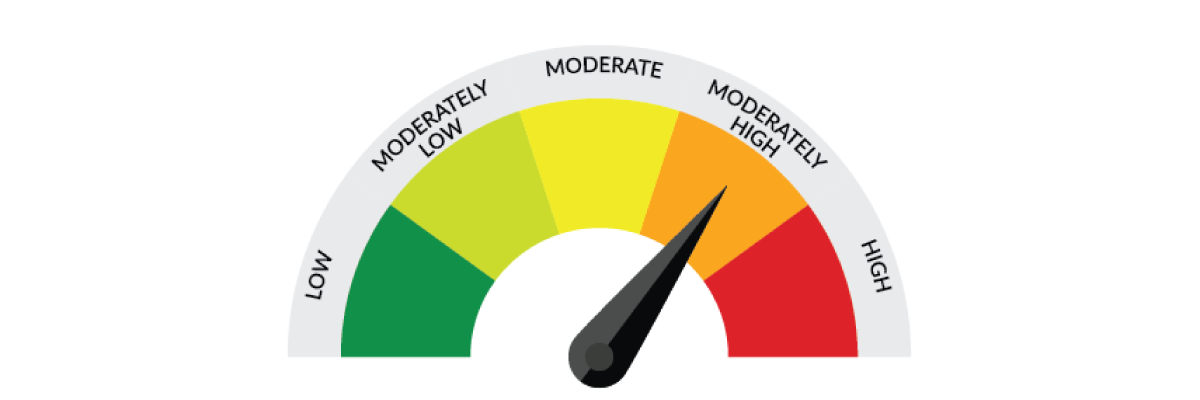
It assesses your comfort with market risk.
Why is it important?
It prevents emotionally driven decisions.
Is risk profile permanent?
No, it changes over time.
Does age affect risk?
Yes, younger investors can take higher risk.
How is risk measured?
Using questionnaires and discussions.
Is risk profiling mandatory?
It is highly recommended.
Estate Planning
What is estate planning?
It plans asset distribution after death.
Is a will necessary?
Yes, to avoid legal disputes.
Who needs estate planning?
Anyone with assets.
Can estate plans be updated?
Yes, anytime.
Does estate planning reduce taxes?
It can improve tax efficiency.
What happens without a will?
Assets may face legal delays.
Loan Against Mutual Funds
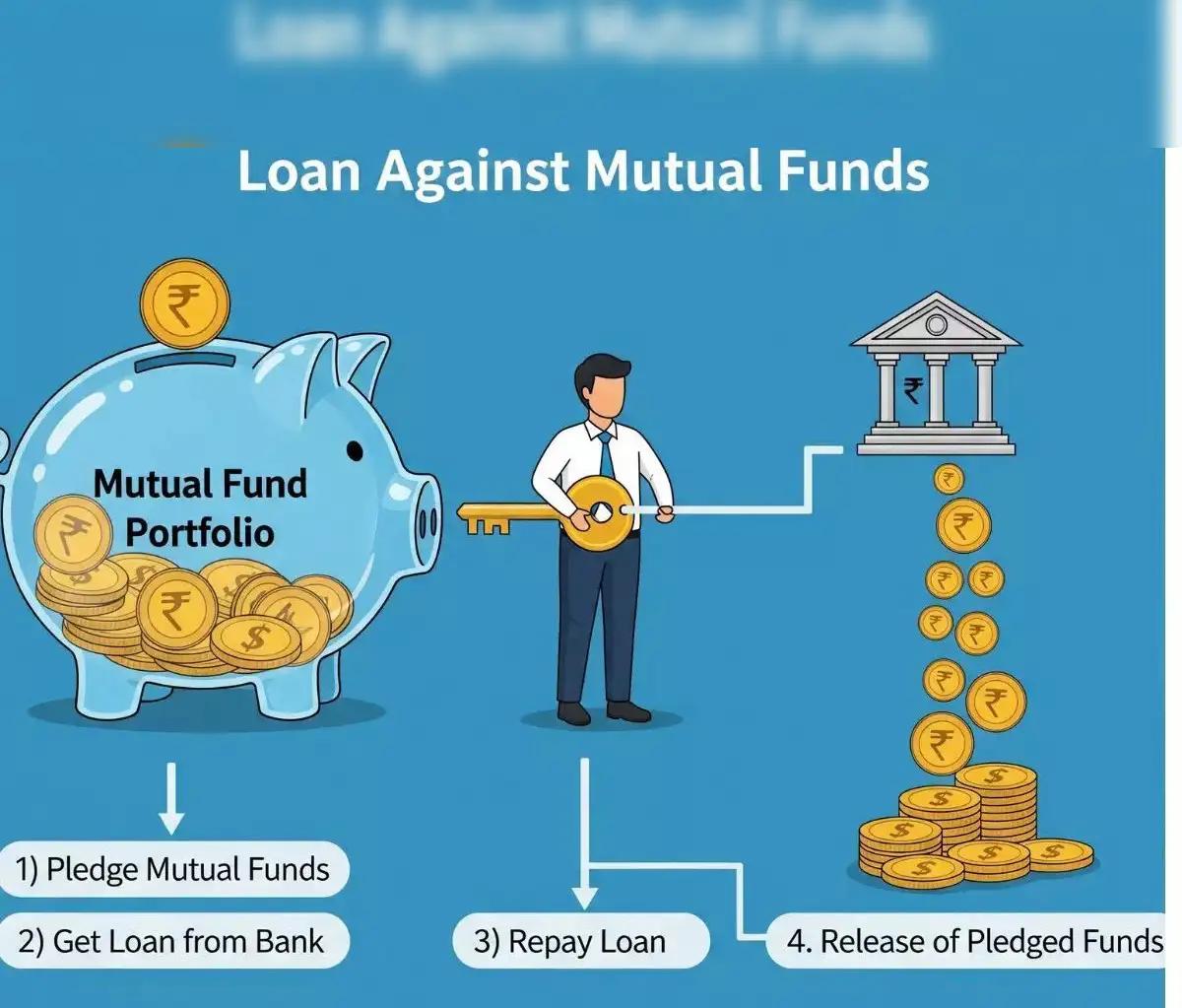
What is a loan against mutual funds?
Borrowing money by pledging mutual fund units.
Do investments remain invested?
Yes, they continue to grow.
Is it better than selling?
Often yes, to avoid taxes.
What is the interest rate?
Lower than personal loans.
Can SIPs continue?
Yes, SIPs can continue.
Is repayment flexible?
Yes, subject to lender terms.
SIF
What is SIF?
Specialised Investment Funds offer advanced strategies.
Who should invest?
Sophisticated investors.
Are returns guaranteed?
No, returns are market-linked.
Is SIF regulated?
Yes, by regulatory authorities.
What is the investment horizon?
Medium to long term.
Is it suitable for beginners?
No, it is not recommended.
AIF
What is an AIF?
Alternative Investment Fund investing in non-traditional assets.
Who can invest?
High-net-worth investors.
Minimum investment?
₹1 crore as per regulations.
Are AIFs risky?
Yes, higher risk than traditional assets.
Is there a lock-in?
Usually long-term.
Are AIFs regulated?
Yes, by SEBI.
NPS
What is NPS?
A government-backed retirement scheme.
Who can invest?
Indian citizens and NRIs.
Does NPS offer tax benefits?
Yes, under 80C and 80CCD(1B).
Is NPS market-linked?
Yes.
When can withdrawals be made?
At retirement or partial conditions.
Is NPS suitable for everyone?
Yes, especially salaried individuals.
GIFT City
What is GIFT City?
India’s international financial services hub.
What investments are available?
Global equities, funds, and bonds.
Are tax benefits available?
Yes, subject to regulations.
Who can invest?
Eligible residents and NRIs.
Is currency risk involved?
Yes, for foreign assets.
Is GIFT City regulated?
Yes, by IFSCA.
Pre-IPO / Unlisted Shares
What are unlisted shares?
Shares not traded on stock exchanges.
Why invest before IPO?
Potential listing gains.
Are unlisted shares risky?
Yes, due to liquidity risks.
What is the holding period?
Usually long term.
How are they taxed?
Based on capital gains rules.
Who should invest?
High-risk investors only.